Dermal Fillers Guide: What First-Time Patients Need to Know
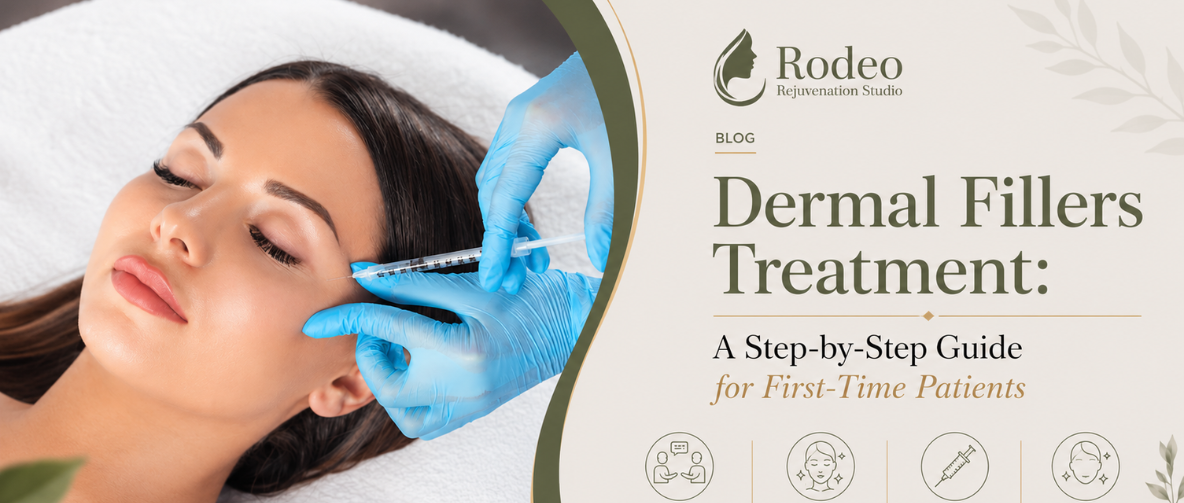
As we age, changes in facial volume, skin structure, and elasticity can contribute to fine lines, deeper folds, and less defined facial contours. Dermal fillers, also known as injectable fillers, offer a non-surgical option for restoring volume, enhancing facial contours, and creating a refreshed, balanced appearance.
For first-time patients, understanding the dermal filler treatment process can make the experience more comfortable and help set realistic expectations. If you're considering dermal fillers in Beverly Hills, this guide walks you through each stage of treatment from the initial consultation and appointment preparation to the filler injections, recovery, aftercare, and long-term results.
What Are Dermal Fillers?
Dermal fillers are injectable gels used to restore lost facial volume, soften the appearance of certain lines and folds, and enhance facial contours. Different facial fillers are formulated for different treatment areas and aesthetic goals.
Many commonly used fillers contain hyaluronic acid (HA), a substance naturally found in the body that contributes to skin hydration and volume. The appropriate dermal filler depends on factors such as the treatment area, facial anatomy, desired result, and the specific product being used.
Common areas that may be treated with injectable fillers include:
- Lips
- Cheeks
- Chin
- Jawline
- Temples
- Under-eye area
- Nasolabial folds
- Marionette lines
Every patient is different, so cosmetic fillers should be selected and placed according to individual anatomy, skin characteristics, treatment goals, and expectations
Treatment outcomes vary from patient to patient because every face has different anatomy, skin characteristics, proportions, and aesthetic goals. Dermal fillers in Beverly Hills may be used to restore volume and enhance facial contours in areas such as the cheeks, lips, chin, and jawline.
For example, lip fillers and injections can enhance or restore lip volume, while cheek filler may help improve mid-face definition. The goal is to create a refreshed and balanced appearance that complements your existing facial features rather than dramatically changing them.
Step 1 – Start With a Personalized Consultation
A thorough consultation is the first step in any dermal filler treatment. During your appointment, your provider will evaluate your facial anatomy, discuss your aesthetic concerns and goals, and determine whether injectable fillers are an appropriate option for you.
The consultation may include an assessment of areas affected by volume loss, such as the cheeks, lips, temples, chin, jawline, or under-eye area. If you're interested in a cheek lift filler effect, your provider can assess your mid-face structure and determine whether restoring volume may help improve facial balance.
Your medical history, allergies, medications, previous aesthetic treatments, and other relevant factors should also be discussed before treatment. This information helps your provider develop an individualized treatment plan and identify factors that may affect treatment or recovery.
If you're considering dermal fillers in Beverly Hills, your consultation is also an opportunity to ask about the recommended filler, expected results, potential side effects, recovery, and aftercare.
Step 2 – Prepare for Your Dermal Filler Appointment
In most cases, preparing for injectable dermal fillers is straightforward, but your provider may give you specific instructions based on your medical history and treatment plan.
Before your appointment:
- Stay well hydrated.
- Tell your provider about medications, supplements, allergies, and previous cosmetic treatments.
- Follow any medication or supplement instructions provided by your healthcare professional.
- Arrive with clean skin and follow any additional pre-treatment instructions.
- Do not stop prescribed medications unless your healthcare provider specifically tells you to do so.
If you're planning injectable lip fillers, cheek filler, or another facial filler treatment, following your provider's instructions can help you prepare for the appointment and minimize avoidable irritation or bruising.
Step 3 – What Happens During a Filler Treatment?
Your skin will be cleaned and prepared before the dermal filler injections begin. Depending on the filler and treatment area, a topical numbing option may be available, and some hyaluronic acid fillers contain lidocaine to help improve comfort during treatment.
Your provider then carefully places the filler beneath the skin using an appropriate injection technique. Depending on the treatment area, product, and provider's technique, a fine needle or cannula may be used.
The goal of facial fillers is not simply to add volume. Precise placement can help restore support, enhance definition, and create more harmonious facial proportions.
Treatment time varies depending on the number and location of areas being treated. Some appointments may take less than 30 minutes, while more comprehensive treatments can take longer.
Patients may experience temporary sensations such as pressure, pinching, or mild discomfort during the injections. Your provider can discuss comfort options with you before treatment.
Precision is important for achieving balanced results. Properly planned cosmetic filler treatments should complement your facial features rather than create an overly filled appearance.
Immediate Results and Filler Recovery
One benefit of injectable dermal fillers is that some changes may be visible immediately after treatment. However, the appearance immediately after an injection is not necessarily the final result because temporary swelling can affect the treated area.
Mild swelling, bruising, redness, or tenderness can occur during the first few days. These temporary effects generally improve as the treated area settles.
Your provider will provide personalized filler aftercare instructions. Depending on your treatment, these may include recommendations regarding:
- Strenuous exercise
- Excessive heat
- Touching or manipulating the treated area
- Makeup or skincare products
- Pressure on the treated area
- Other activities that may affect recovery
Following your provider's instructions can help support a comfortable dermal filler recovery and allow the treated area to settle naturally.
Step 5 – Long-Term Dermal Filler Results and Maintenance
How long dermal filler results last varies depending on the product used, treatment area, amount injected, individual metabolism, and how your body responds to the filler.
Some fillers may last several months, while others can provide results for a year or longer. Areas with frequent movement, such as the lips, may require maintenance sooner than areas such as the cheeks.
Your provider can explain the expected longevity of the specific filler selected for your treatment and recommend follow-up appointments based on how your results develop.
For patients interested in long-term aesthetic planning, maintenance appointments provide an opportunity to reassess facial balance and determine whether additional treatment is appropriate.
Why Natural-Looking Dermal Filler Results Matter
Many patients want a refreshed appearance without looking noticeably overtreated. With an individualized approach, cosmetic fillers can be used to enhance existing facial features while maintaining balanced proportions and natural expression.
The goal isn't simply to add as much volume as possible. An experienced injector considers facial anatomy, proportion, movement, and the relationship between different treatment areas when developing a treatment plan.
At Rodeo Rejuvenation Studio, treatment planning is centered on individualized care and refined results. Whether you're considering injectable lip fillers, cheek filler, or another facial filler treatment, your treatment plan should reflect your unique features and aesthetic goals.
Conclusion
Choosing dermal fillers for the first time can feel like a significant decision, but understanding the treatment process can help you approach your appointment with realistic expectations and greater confidence.
Injectable fillers can be used to restore facial volume, enhance contours, refine the lips and cheeks, and soften the appearance of certain lines and folds. The most important part of treatment is developing an individualized plan based on your facial anatomy, aesthetic goals, and overall treatment needs.
If you're considering dermal fillers in Beverly Hills, a personalized consultation is a good place to begin. Your provider can assess your concerns, explain your options, discuss potential benefits and risks, and help you determine whether dermal fillers are right for you.
FAQs
1. How long does an injectable filler injection last?
Most injectable filler treatments last 6-18 months, depending on the type of filler used and the injection site.
2. Is a filler treatment painful?
For the most part, it is generally not painful; in most cases, the filler injection itself contains Lidocaine to numb the pain the patients feel.
3. Is there any downtime involved with a filler treatment?
For the most part, there really is no downtime involved with this treatment. Although mild swelling and/or bruising may occur, most people can resume all regular day-to-day activities immediately after.
4. What facial regions can filler be injected into?
In general, filler can be injected into the lips, cheeks, chin, temple area, under the eyes, and into smile lines.
5. Will my result look natural?
Given the appropriate practitioner, results usually look subtle and balanced. Overfilled is not common.